
How Can I Fix My Blurred Vision?
What Is Blurred Vision?
As you get older or have certain health conditions, your eyesight may become blurry. It could also occur when you wake up in the morning or after staring at a screen for long periods.
Additionally, blurry vision may signify more serious issues such as neurodegenerative diseases or eye conditions that could eventually cause permanent vision loss. Although both eyes can be affected, some people only have blurry vision in one eye.
What Causes Blurred Vision?
Suppose you're experiencing a blurred vision that's getting worse over time. In that case, it's best to schedule an appointment with an eye doctor for a thorough examination. A blurred vision causes objects to appear fuzzy and out of focus.
The most common causes of blurred vision include refractive defects such as nearsightedness, farsightedness, astigmatism, and presbyopia. Here are some of the most common causes of visual blurring:
- Near-sightedness or far-sightedness
- Glaucoma
- Astigmatism
- Cataracts
- damage to the cornea
- presbyopia (difficulty focusing on objects)
- age-related macular degeneration
- problems with the retina (such as diabetic retinopathy)
- an eye infection
- an injury to the eye
How Do Blurred Visions Occur?
Some mechanisms can cause blurry vision. In general, there are four mechanisms for how blurred visions occur:
- When opacification develops in normally transparent ocular structures (cornea, lens, vitreous) through which, light rays must pass through to reach the retina.
- Optic nerve or optic nerve connection disorders
- Disorders affecting the retina
- Refractive errors
When Should I Worry About Blurry Vision?
Developing sudden blurred vision needs immediate attention. It is recommended that you get medical attention to evaluate your eyes. Sudden blurred vision may be associated with:
- Dizziness
- Weakness in one arm
- Facial drooping
- Slurred speech
- Loss of balance
How Can I Fix My Blurred Vision?
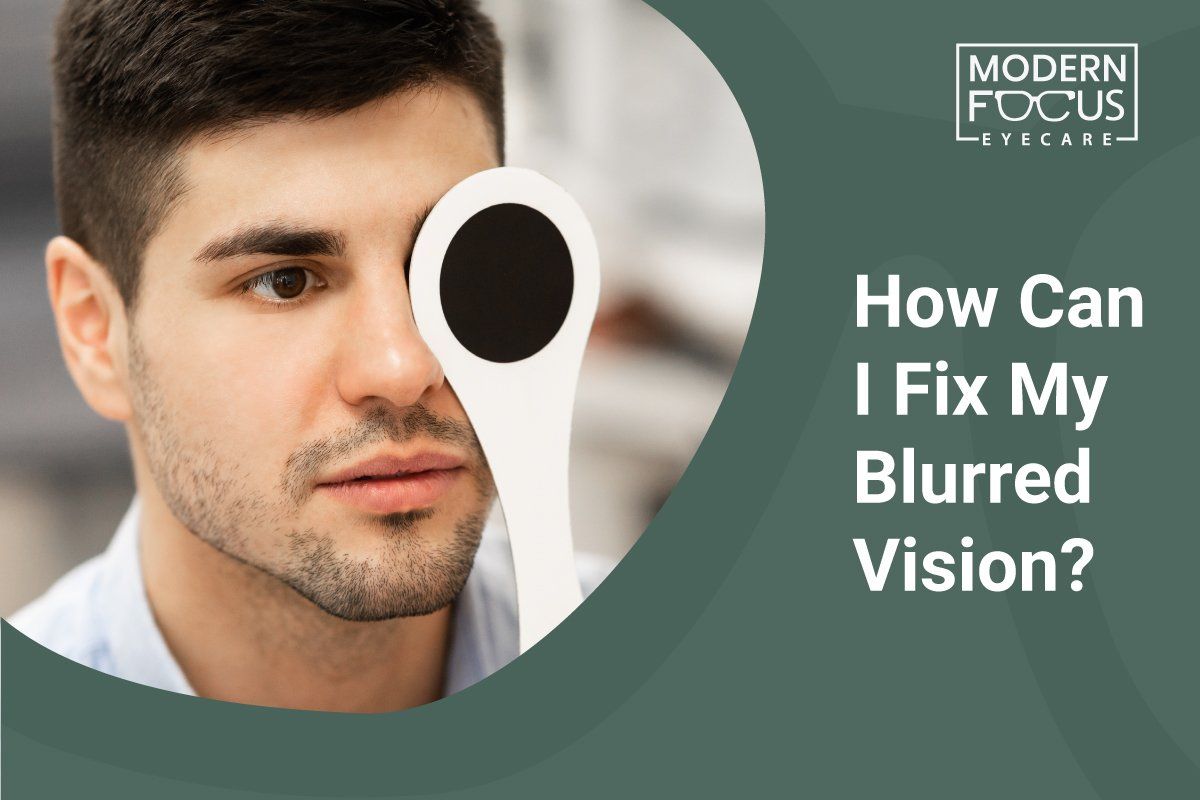
If you have blurred vision, the cause might be diagnosed using various eye tests and a physical examination of your eyes. You may have a blood test if an underlying medical condition is suspected.
Treatment options might include eye drops, laser surgery, or medicines. If you need to wear glasses or contact lenses, ensure they are the right ones for your needs.
For causes of blurry vision that can be treated naturally, here are some tips:
- The 20-20-20 rule - If you sit at a computer for long periods, take breaks every 20 minutes by looking away from the screen. To perform the 20-20-20 rule, look away from your screen for at least 20 seconds every twenty minutes.
- Lubricate your eyes - They can get blurred when you have dry eyes. You can improve the blurriness simply by blinking a few times or using a warm compress to massage your eyelids gently. This can stimulate the oil in your eyes and keep them lubricated, preventing dryness caused by straining. To cure dry eyes brought on by straining, artificial tears may also be bought over the counter at a nearby pharmacy or online.
Can Blurred Vision Be Prevented?
You can readily avoid blurred vision. Depending on the source of your blurry vision, following lifestyle adjustments may help you see more clearly and prevent blurry vision.
- When outside in the sun, always wear sunglasses that provide broad-spectrum protection.
- In general, a fruit and vegetable-rich diet is good for your eyes. The following foods help improve your eyesight:
- Dark green leafy greens like spinach and kale contain lutein, a potent antioxidant.
- Albacore tuna, trout, and halibut are a few foods rich in omega-3 fatty acids.
- Carrots, sweet potatoes, and liver all contain vitamin A.
- Quit Smoking
- Undergo regular comprehensive eye exams
- To lower the risk of infection, wash your hands before putting on or removing contact lenses.
Read more about -
A Guide to Healthy Eyes and Better Vision
FAQs About Blurry Vision
Can lack of sleep cause blurry vision?
No, but lack of sleep and eye fatigue contribute to blurry vision symptoms. When the body becomes more sleepy, it becomes harder to focus the eye's lens, resulting in blurry vision.
Can high blood sugar cause blurred vision?
Yes, high blood sugar can affect the way your lens retains water. Over time, this can change the shape of your lens and blur your vision. Changes to the lens are permanent; they cannot be reversed. High blood sugar can also cause blurry vision if you have diabetes, which damages small blood vessels in your retina—the tissue at the back of your eye that receives light and sends it along to your brain for processing.
Why do I have blurry vision when I'm tired?
You may experience eye strain from reading or staring at a backlit screen. Blurry vision may come from the eye muscles tiring out and unable to focus. You might need glasses or contact lenses, or you may need to close your eyes for a while to rest. If you work with a computer for more than 10 minutes every hour, take some time to focus on something farther away whenever you're working so that your eyes can relax and recover.
Better Solutions for Blurry Vision
Here at
Modern Focus Eyecare, we provide quality care for eyes. Our institution provides you with comprehensive eye exams to determine the cause of your blurred vision and prompt management for your eye needs. Let's talk about your eye health today. Call us at
(972) 617-800.